

Functional Foods Grade
Guar gum's viscosity slows gastric emptying and glucose diffusion for a flatter post-meal glucose response, supports soluble-fiber cholesterol claims through the same bile-acid-binding mechanism, and adds meaningful fiber content without pushing texture into gummy or heavy territory.
Overview
Functional Foods Grade (GG-FNF) is developed specifically for fortified and diabetic-friendly food manufacturers. As a viscous soluble fiber, guar gum's functional effects here come from the same physical property behind every other grade in our range — viscosity — just applied to a physiological outcome instead of a textural one. When hydrated in the gut, guar gum thickens the contents of the small intestine, which slows gastric emptying and physically slows the diffusion of glucose molecules toward the intestinal wall for absorption. The combined effect is a flatter, slower rise in blood glucose after a meal than the same food would produce without added viscous fiber — the basis for lower glycemic-index formulation claims. That same gut viscosity also interferes with bile acid reabsorption, prompting the liver to draw more cholesterol from the bloodstream to synthesize replacement bile acids — the established mechanism behind soluble fiber's role in cholesterol management. Typical dosage ranges from 0.2–1.0%, adjustable to your target fiber content and the texture your specific product format can absorb.
Key Benefits
Fibre Fortification
Adds soluble dietary fibre for fibre-content label claims without altering flavor or requiring major process changes.
Satiety
Soluble fibre that slows gastric emptying, supporting satiety and fullness claims in functional food formulations.
GI Reduction
Slows the rate of carbohydrate digestion and glucose release, supporting lower glycemic-index formulations.
Cholesterol & Lipid Management Support
The same viscosity that slows glucose absorption also interferes with bile acid reabsorption in the gut, prompting the body to draw more cholesterol from the bloodstream to synthesize replacement bile acids — the established mechanism behind soluble fiber's role in cholesterol management.
Fiber Fortification Without Texture Disruption
Delivers meaningful soluble fiber content at a dosage calibrated to stay within your product's texture tolerance — the real formulation challenge in fortified foods isn't hitting a fiber target, it's hitting it without the product turning noticeably thick or gummy.
Bulking Support for Sugar-Reduced Formulations
Restores body and structure lost when sugar or caloric sweeteners are reduced or replaced with high-intensity sweeteners, which contribute little of their own bulk to a formulation.
Micronutrient Suspension
Keeps added vitamin and mineral premixes evenly distributed in fortified beverages and semi-liquid formats, preventing settling that would otherwise concentrate fortification unevenly across a production run.
Technical Specifications
| Product Code | GG-FNF |
| Category | Specialty |
| Recommended Dosage | 0.2–1.0% |
| Primary Application | Fortified cereals & bars, Fortified beverages, Fortified snacks, Sugar-free & reduced-sugar baked goods, Diabetic-friendly beverages, Meal replacement shakes & bars |
Formulation Guidance
The real formulation tension in this grade is hitting your fiber-content target without the added viscosity pushing texture past what your product format can tolerate — a thin beverage has far less room to absorb the viscosity increase of a high fiber dose than a dense bar does. Calibrate dosage against your product's texture tolerance first, then check whether that dosage also clears your fiber-content label target, rather than starting from the fiber target alone.
If this grade is also carrying a fortification role — suspending added vitamin or mineral premixes — dose and mixing order should prioritize even distribution of those micronutrients early in the process, since guar gum's viscosity build continues for roughly the first hour after hydration, and premixes added before that viscosity is established are more prone to settling.
Declared fiber content on a label depends on which analytical method was used to measure it, and different soluble-fiber quantification methods can report different values for the same sample — confirm which method your target market's labeling regulations require before finalizing a fiber-content claim.
Because these formulations frequently carry clean-label, certified, or health claims, request a batch-specific Certificate of Analysis alongside your enquiry so declared galactomannan and fiber content can be verified against your label requirements before scale-up.
Related Grades

Gluten-Free Foods Grade
Replaces gluten structure in GF products. Binding, elasticity, and texture for gluten-free applications.

Plant-Based Foods Grade
For plant-based and vegan foods. Texture, mouthfeel, protein binding for dairy alternatives.
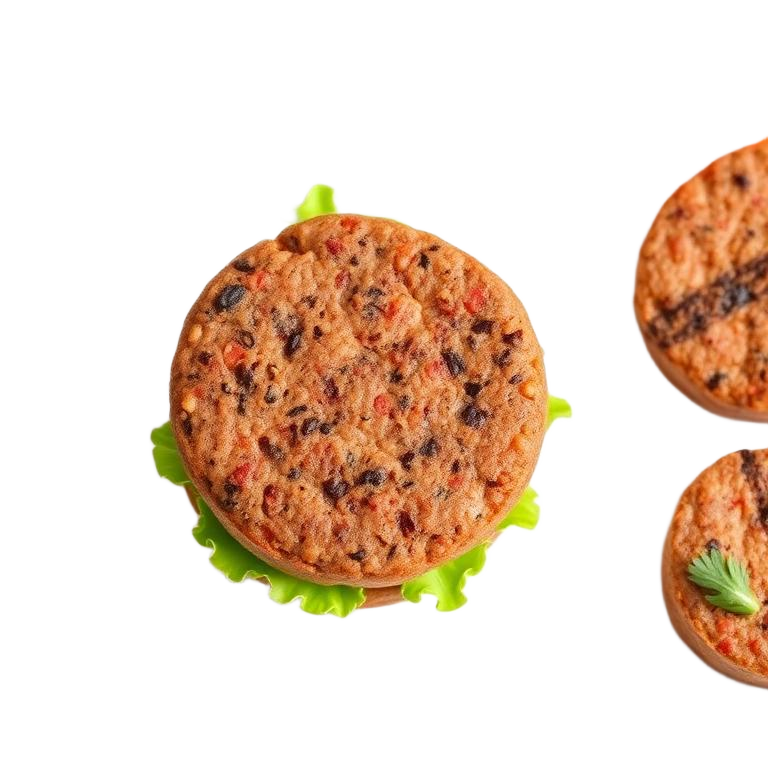
Meat Alternatives Grade
For plant-based meat analogs. Bite, juiciness, firmness, moisture retention mimicking real meat.
Ready to Trial Functional Foods Grade?
Our technical team can help with dosage guidance and formulation support.