
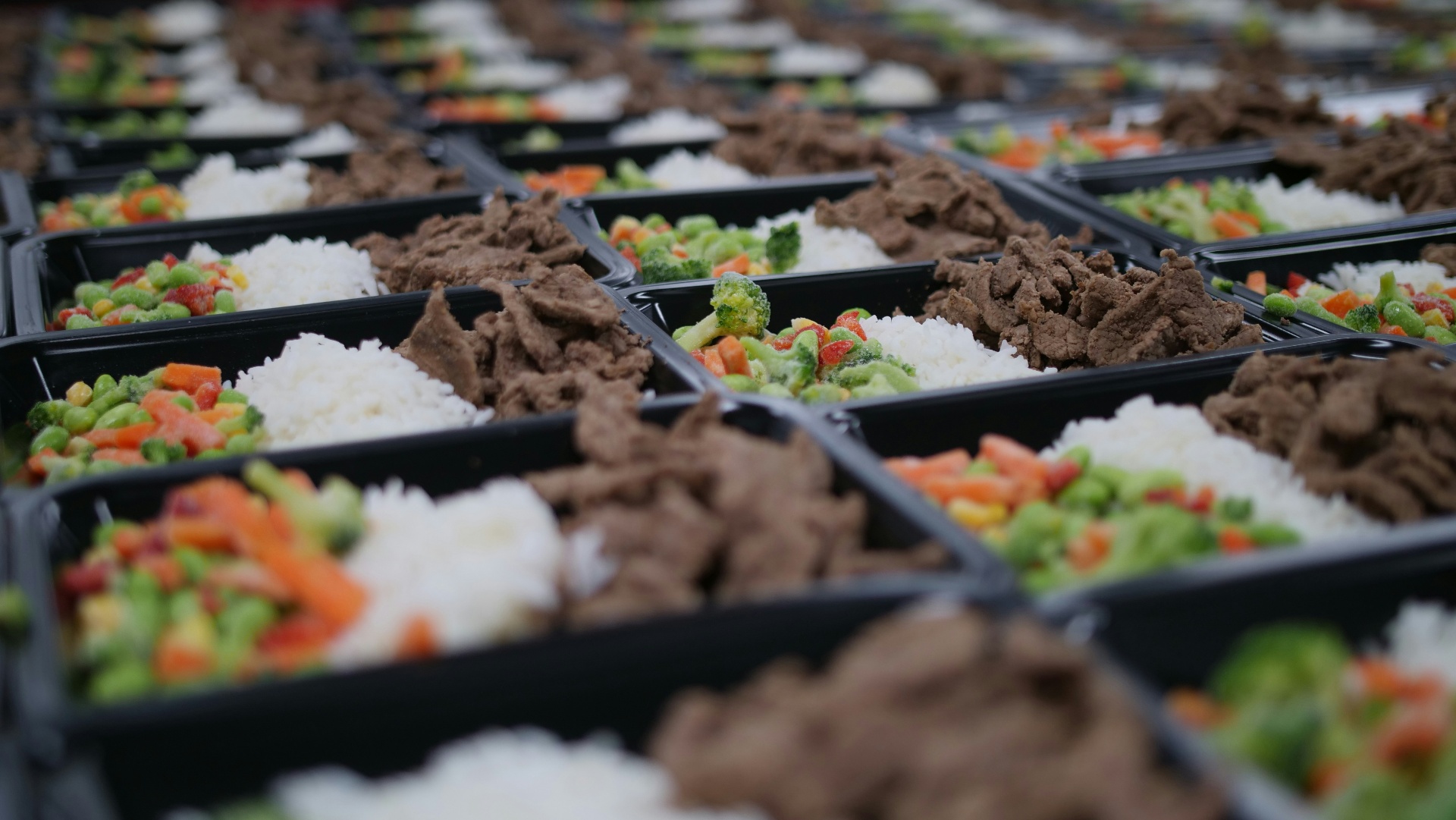
Ready Meal Grade
Guar gum holds sauce, filling, and component texture together through the full stress cycle a ready meal goes through — cook, blast freeze, distribute, reheat — without the weeping or thin, watery breakdown that starch-only systems show after a freeze-thaw cycle.
Overview
Ready Meal Grade (GG-RDM) developed specifically for chilled, frozen, and foodservice ready meal manufacturers. Here's what actually happens to a starch-thickened sauce over a ready meal's life cycle: during cooking, starch granules absorb water and swell to build viscosity. When the meal is then frozen, ice crystals form and physically disrupt those swollen granules; on thawing, the damaged granules can't reabsorb the water they lost, which is why so many reheated ready meals show a thin, watery sauce with visible liquid pooling at the tray edges — a process called starch retrogradation. Guar gum avoids this failure mode entirely because it doesn't rely on a granule structure in the first place: it thickens by dissolving into a hydrated molecular network from the moment it's added, so freezing simply immobilizes that already-built structure rather than damaging something that later can't recover. That's also why it holds up better through the uneven, rapid heating of a microwave, where hot spots can break down a starch-thickened sauce faster than an oven's gentler, more even heat would. Typical dosage ranges from 0.1–0.4%, adjustable to your target texture, reheating method, and process conditions.
Key Benefits
Freeze-Thaw Stable
Maintains texture and doesn't weep or separate after repeated freezing and thawing — critical for ready meals that move through cold-chain logistics.
Reheat Texture
Holds sauce and filling consistency through microwave or oven reheating, avoiding the thin, watery texture starch-only systems can produce.
Moisture Locking
Keeps proteins and starches from drying out during extended hot-holding or reheat cycles.
Fill-Line Viscosity Control
Delivers consistent, predictable viscosity for sauce and gravy depositors on high-speed tray-filling lines, reducing uneven fill weights and splashing between portions.
Microwave Heat Stability
Microwave reheating is fast and uneven, creating localized hot spots that can break down starch-thickened sauces into a thin, separated liquid. Guar gum's thickening comes from hydration rather than a heat-swollen granule structure, so it holds together through that uneven heating instead of breaking down at the hot spots.
Component Separation Prevention
Keeps sauce, protein, starch, and vegetable components from bleeding into each other in a multi-compartment tray, and prevents liquid from pooling at the base during storage and transport.
Retort & Cook-in-Bag Stability
Retains functional viscosity through retort sterilization or sous-vide cook-in-bag processing, supporting shelf-stable pouches and extended-chill-life meal formats.
Extended Hot-Hold Performance
Maintains sauce body during prolonged hot-holding in catering and foodservice settings — buffet lines, canteens — where a meal may sit at serving temperature for hours rather than being reheated once and eaten immediately.
Technical Specifications
| Product Code | GG-RDM |
| Category | Food & Beverage |
| Recommended Dosage | 0.1–0.4% |
| Primary Application | Chilled ready meals, Frozen ready meals, Cook-in-bag meals, Retort pouch meals, Catering & hot-hold meals |
Formulation Guidance
Add guar gum to the sauce or gravy base during the initial cook stage, before the meal goes into blast freezing — this ensures the gum is fully hydrated and at its target viscosity before the freeze cycle, rather than trying to build viscosity into an already cold or already frozen base.
Dosage is worth tuning to your primary reheating method rather than using one setting across your whole range: trays intended mainly for microwave reheating see faster, more uneven heating than oven-reheated trays, so they benefit from testing at the higher end of your target range to hold up under that more aggressive heat exposure.
Because a ready meal is assessed by the consumer only after it's gone through the full cook-freeze-thaw-reheat cycle, texture should be evaluated the same way in development — after a full simulated cycle, not immediately after initial cooking. A sauce that looks correctly thickened fresh off the stove can behave differently once it's been through blast freezing and a microwave reheat, so that's the stage where your final dosage should be confirmed.
Related Grades
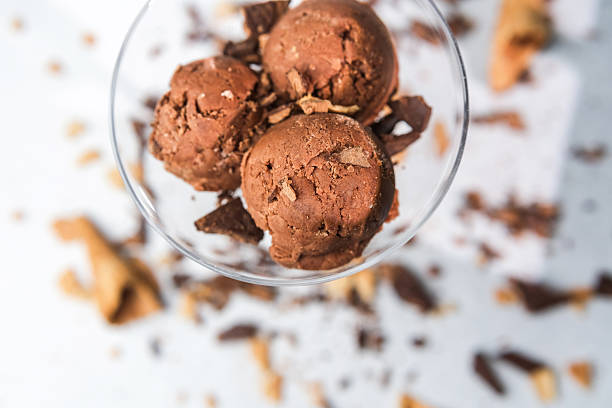
Ice Cream Grade
Stops ice crystal growth and locks in smoothness through heat-shock cycles. Crystal size reduced 40–60%. Supports 80–120% overrun.
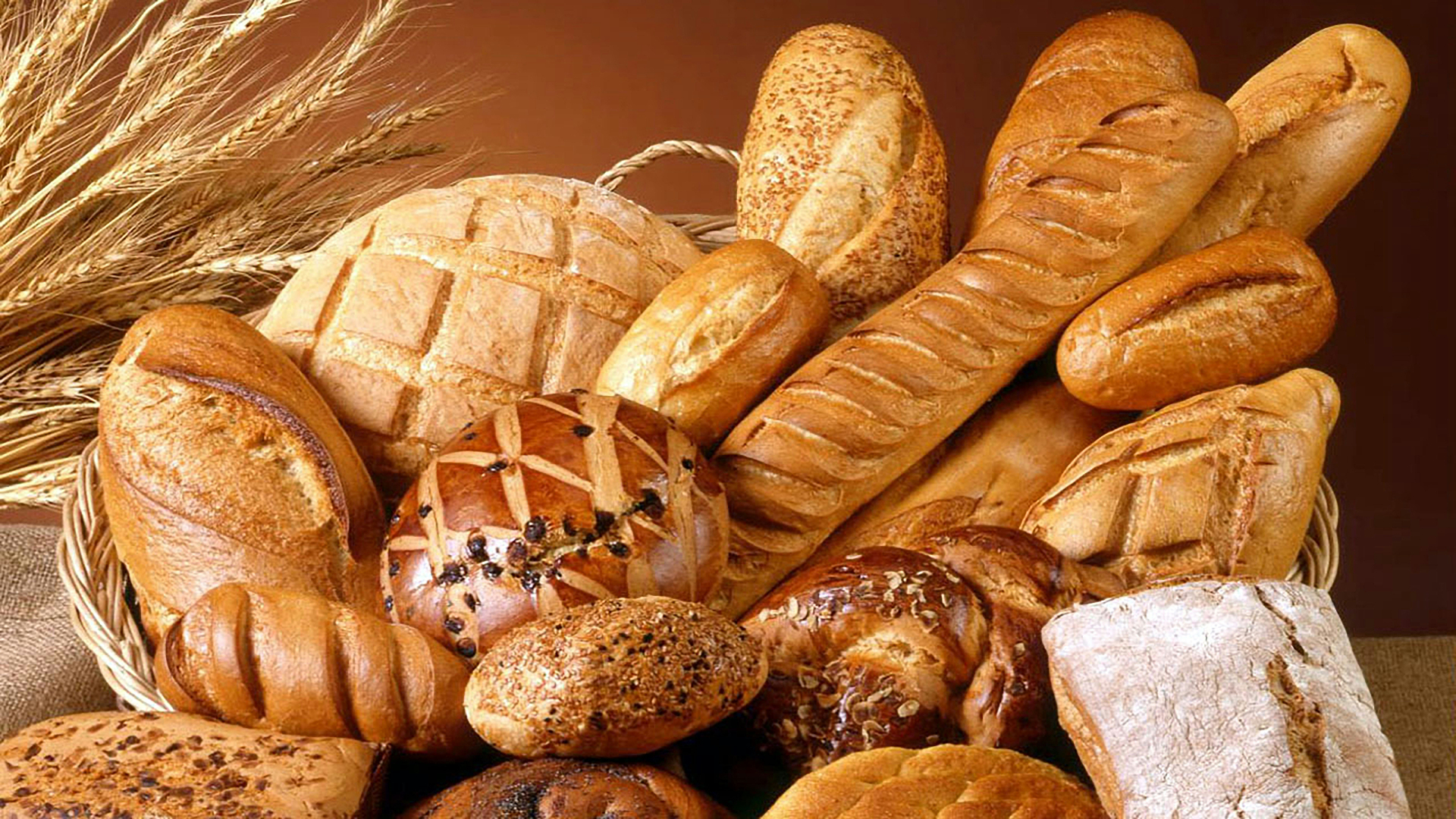
Bakery Grade
Improves dough viscosity, moisture retention, shelf life in bread, biscuits, cakes, GF goods. Uniform crumb structure.
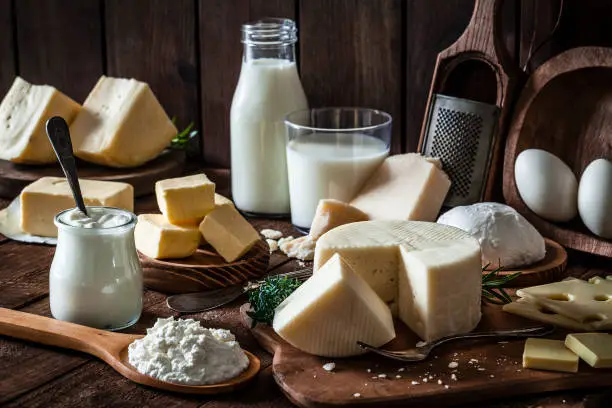
Dairy Grade
Prevents syneresis, smooth creamy texture in yogurt, cheese, dairy desserts, flavoured milks. Excellent whey binding.
Ready to Trial Ready Meal Grade?
Our technical team can help with dosage guidance and formulation support.